
The Ghost in the Milky Way: The Dark Nebula That Shouldn't Exist (But Does)
What if I told you there is a ghost floating through space right now? Not a supernatural one, but something far cooler. Meet Barnard 93, the interstellar ghost that is basically the universe playing hide-and-seek with starlight.
Wait, What Am I Looking At?
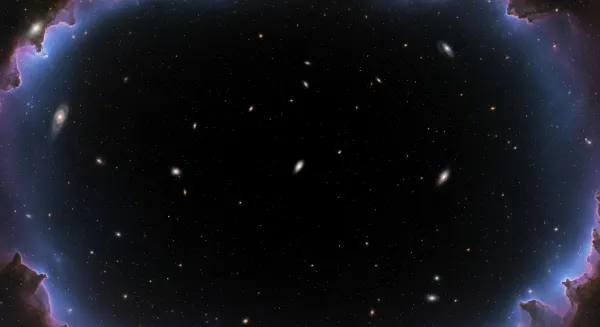
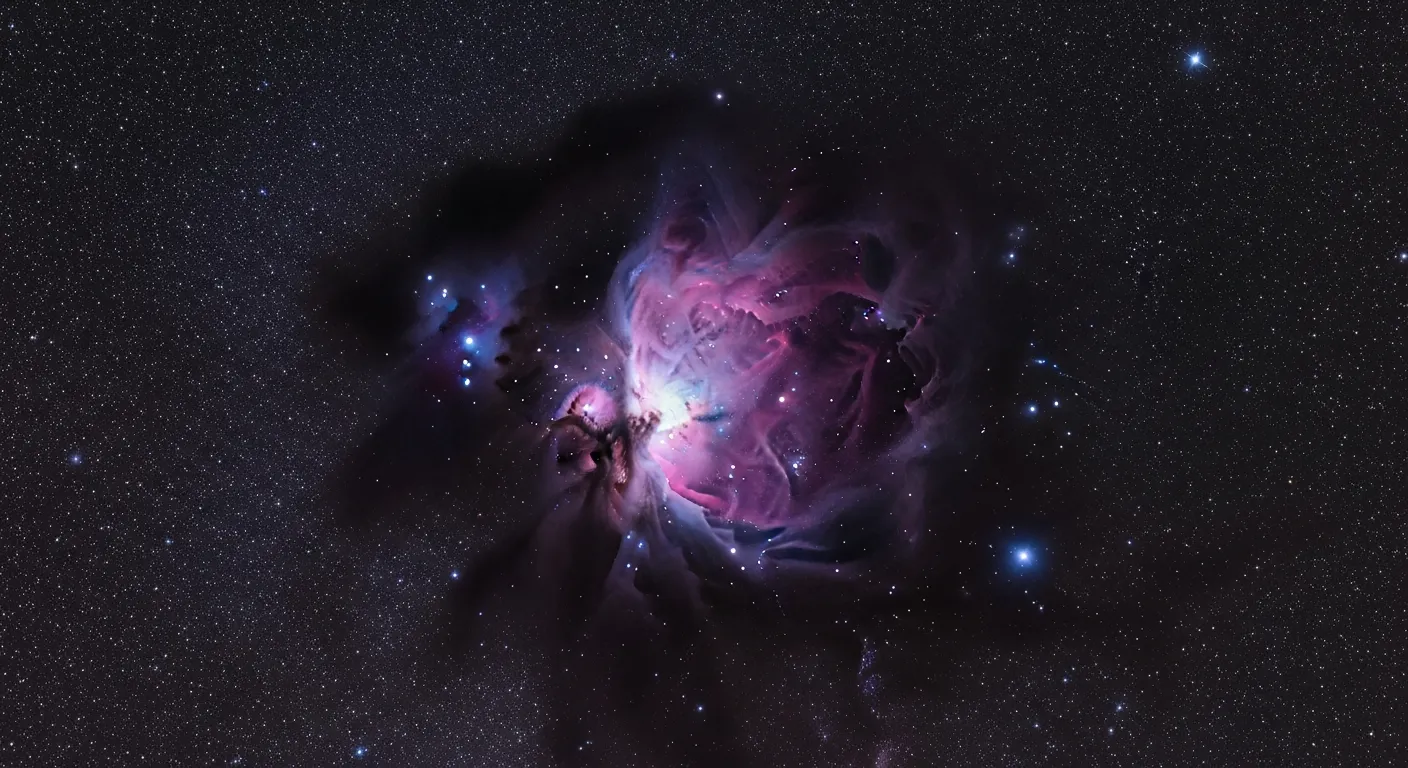
Imagine staring into a dazzling field of stars and suddenly hitting a patch of pure, absolute nothingness. Not a black hole. Not empty space. Just... darkness. That is Barnard 93 (or B93 if you are on a first-name basis). It sits in the Small Sagittarius Star Cloud, a region so packed with stars it looks like someone spilled glitter across the galaxy.
But B93 is not empty. Oh no. It is actually chock-full of gas and dust. So much dust, in fact, that it blocks all the light from the stars behind it. Think of it as a cosmic blackout curtain. The stuff inside is so dense that photons traveling for thousands of years just bounce off and give up.
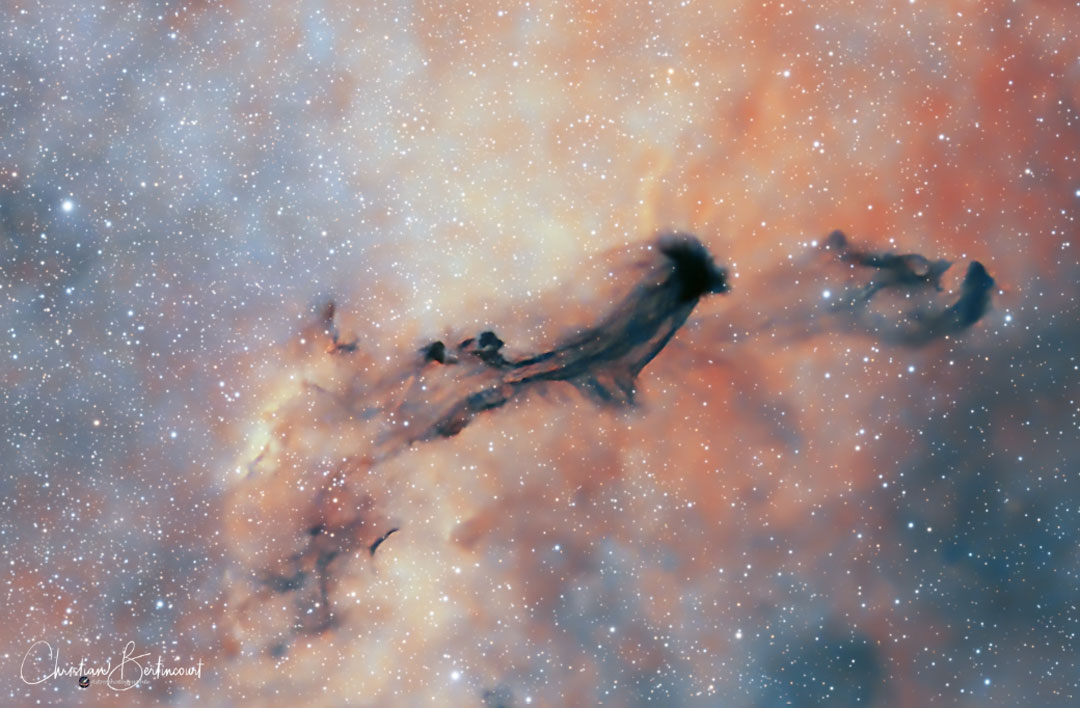
The "Ghost" Is Actually Stardust from Dead Stars
Here is where it gets weird and beautiful. The material in B93? It is the leftovers from exploded stars. Supernovae scattered this gas and dust across space like cosmic confetti. So the "ghost" you are seeing is literally the remains of dead stars floating through the galaxy.
Poetic? Absolutely. Creepy? A little. Mind-blowing? You bet.
The Plot Twist: This Ghost Is About to Have Babies
Barnard 93 is not just sitting there being spooky. Some regions of this dark cloud are dense enough, massive enough, and cold enough that gravity is slowly pulling everything together. When enough material accumulates, something magical happens. Nuclear fusion ignites. And suddenly, out of this ghostly darkness, brand new stars are born.
So B93 is not just a graveyard of old stars. It is a nursery for new ones. In a few million years, this patch of darkness will be blazing with newborn stellar light. The ghost transforms into a cradle.
Why This Matters (Besides Being Incredibly Cool)
Dark nebulae like B93 help us understand how stars form and how galaxies recycle their material. Every atom in your body came from space. The calcium in your bones, the iron in your blood, the oxygen you just breathed. It all started in places like this.
When massive stars explode, they scatter heavy elements across the cosmos. Those elements get caught in dark nebulae. New stars form. Planets form around those stars. And eventually, life happens.
So in a way, you are looking at your own origin story when you stare at B93.
See It For Yourself
Want to spot a dark nebula? You will need a telescope and decently dark skies. B93 is located in the constellation Sagittarius. Look for the Small Sagittarius Star Cloud (Messier 24) and scan for patches where stars mysteriously vanish. That is your ghost.
Amateur astronomers love these objects because they flip the script. Usually you are hunting for light. With dark nebulae, you are hunting for darkness. It is like finding a hole in the sky.
The Bottom Line
Barnard 93 reminds us that space is not just about what shines. It is also about what hides. The universe has shadowy corners full of mystery and transformation. Ghosts become cradles. Death feeds new life. And sometimes, the most interesting things are invisible by design.
Next time you look up at the Milky Way, remember. Somewhere out there, ghosts are giving birth to stars. And the light you are seeing might have taken a detour around a cosmic detour that started forming before humans existed.
Space is wild like that.
What other space mysteries blow your mind? Drop your favorites in the comments. And if you want more cosmic weirdness delivered to your inbox, subscribe. We find the stuff that makes you go "wait, seriously?"