
The Wedding Where Everyone Was an Actor
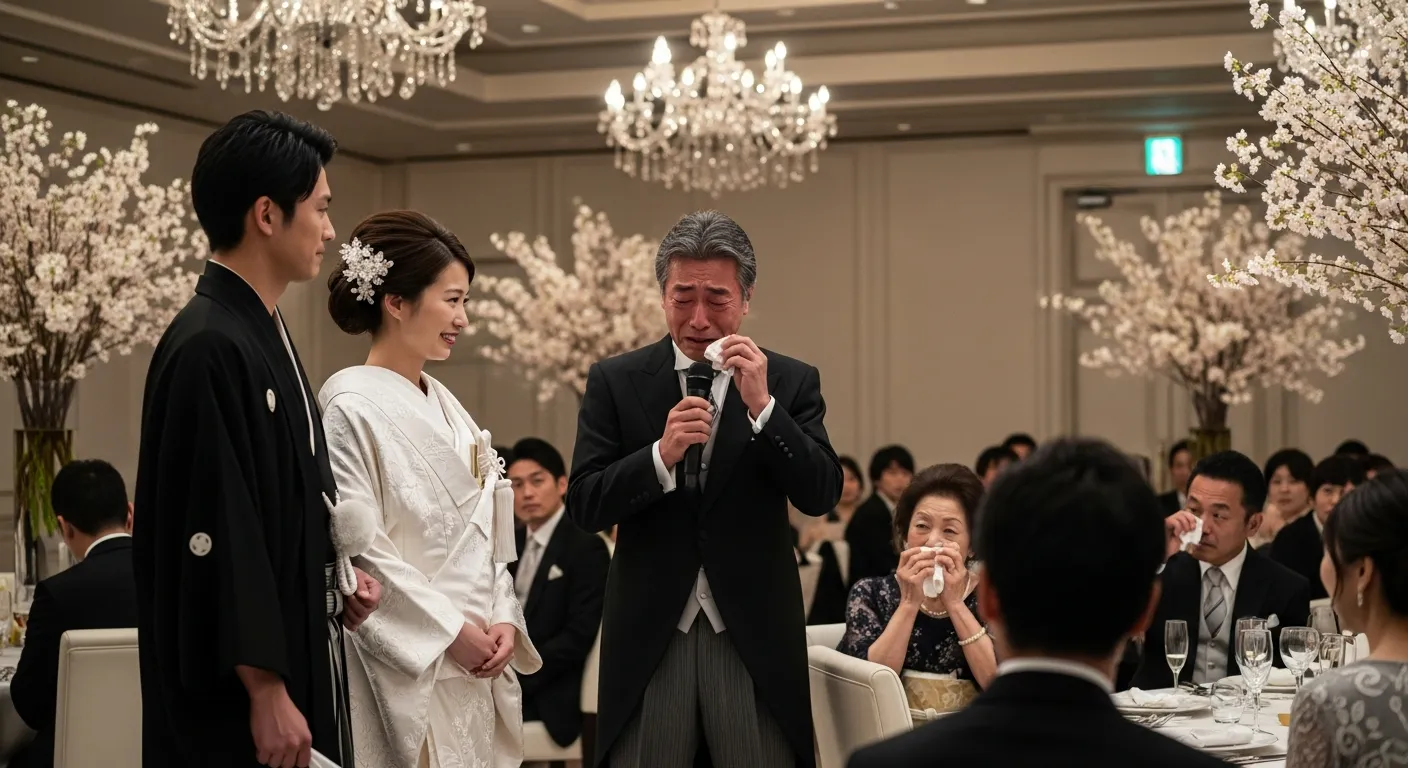
Yuichi Ishii walked down the aisle with a bride he had met exactly three weeks prior. He gave a tearful speech about watching her grow up. He danced with cousins he had never seen before. And when the reception ended, he handed the groom an invoice. Professional role: Father of the Bride.
Welcome to Family Romance, Japan's premier rental family service. For roughly 200 to 2,000 dollars per booking, you can hire anyone. Parents who finally approve of your career. A spouse to get your nagging relatives off your back. Friends to fill empty seats at your funeral. It sounds like science fiction, but for thousands of Japanese clients, it is just another Tuesday.
Why Rent Your Own Life?
The founder, Ishii, has played over 800 roles since starting the company in 2009. He has been a father, a husband, a boyfriend, a boss, and even a stranger who simply sits in silence. Sometimes he maintains the same role for years, visiting a client's parents monthly as their son-in-law while the actual boyfriend lives happily elsewhere.
But here is the twist that breaks your brain. Most clients are not trying to scam anyone. They are trying to survive Japan's brutal social expectations. In a culture where conformity carries immense weight, disappointing your parents with a failed marriage or a weird career can feel like social death. So they rent a fake reality. Not to deceive, but to survive.
The Economics of Emotional Labor
A basic role, like pretending to be your friend at a party, costs around 200 dollars. A wedding fake father runs closer to 2,000. And if you want someone to play your spouse for a decade, visiting your parents monthly? That is a long-term contract with serious money involved.
Ishii says the most requested roles are fathers and husbands. Japanese women hire fake husbands to get their parents off their backs about marriage. Men hire fake girlfriends to appear successful at reunions. The service is a bizarre mirror reflecting the crushing weight of social expectations.
It is equal parts fascinating and deeply sad. A thriving industry built entirely on the gap between who we are and who society expects us to be.