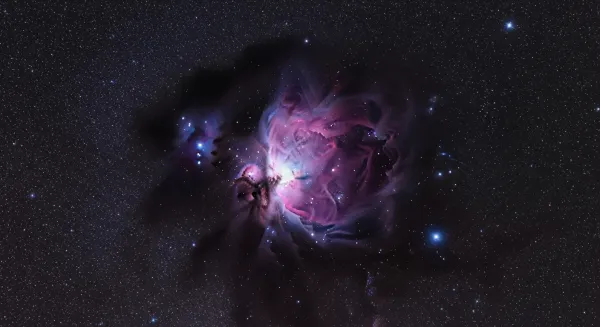

Imagine looking up at the night sky, watching a star that's been shining for millions of years... and then it just isn't there anymore. No flash. No boom. No beautiful nebula left behind. Just silence and an empty patch of space where something magnificent used to be.
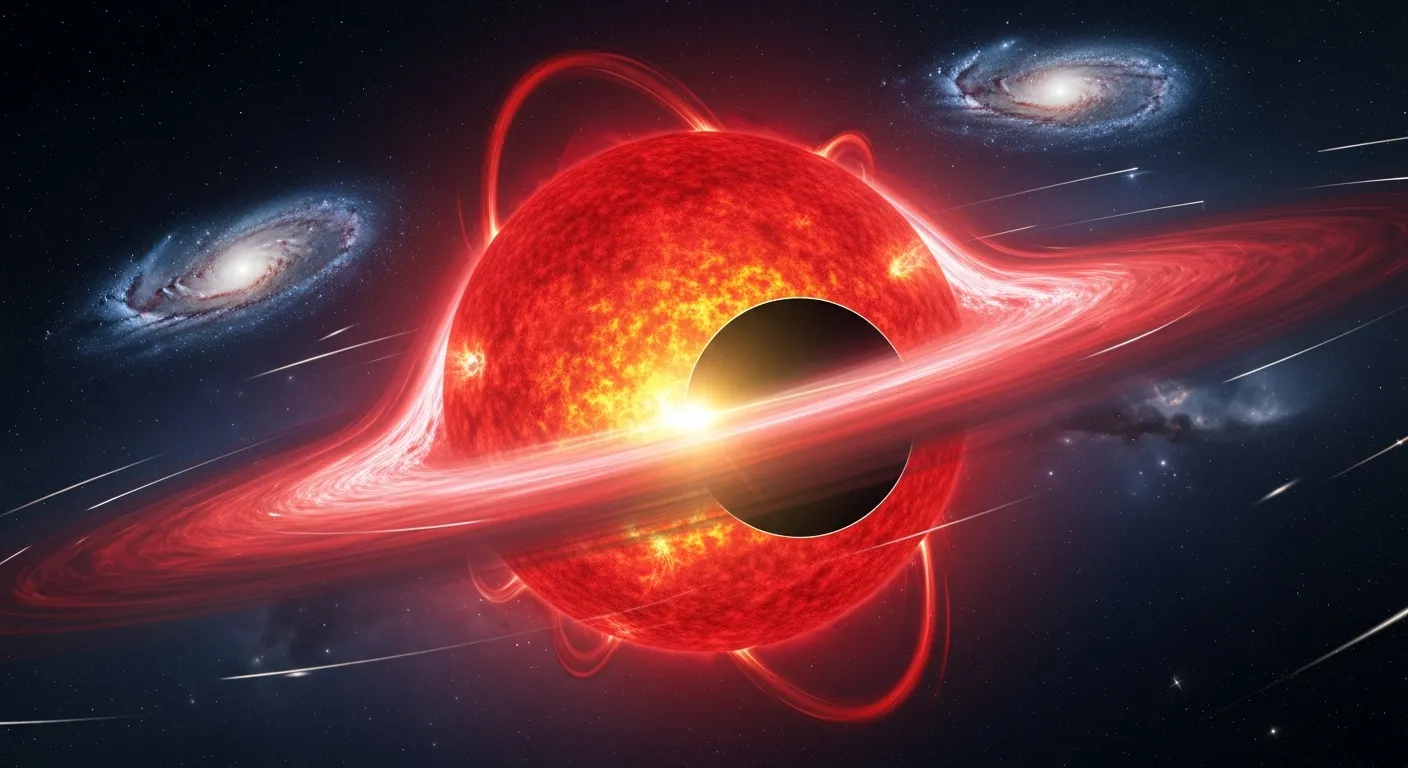
That's exactly what happened to one of the brightest supergiant stars in our neighboring Andromeda Galaxy. Scientists were watching it, expecting the cosmic fireworks of a supernova explosion that would light up the galaxy. Instead, they got something far stranger: the star simply winked out of existence and collapsed directly into a black hole.
The Cosmic Magic Trick Nobody Expected
Here's the thing about massive stars. When they die, they're supposed to go out with a bang. A really, really big bang. We're talking supernovas so bright they can outshine entire galaxies, explosions so violent they forge heavy elements like gold and platinum in their final moments.
But this star had other plans.
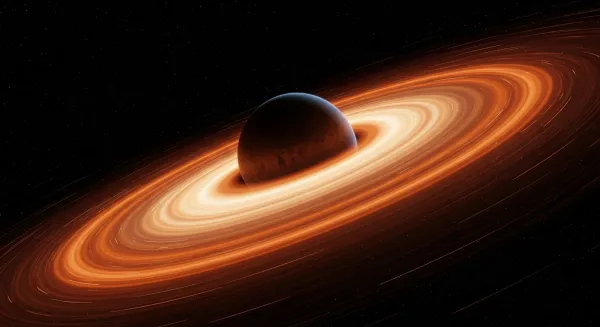
It skipped the entire explosive finale. No shockwave ripped through space. No brilliant flash announced its death to the universe. The star just... collapsed inward, its own gravity overwhelming it so completely that nothing could escape. Not even light.
It's like watching a fireworks factory implode into a single black dot instead of painting the sky with color.
What This Means (And Why It's Kind of Terrifying)
This phenomenon, known as a "failed supernova" or direct collapse, is incredibly rare. Scientists have only spotted a handful of these ghost stars throughout the universe. Most of the time, dying stars put on the spectacular show we call a supernova.
But when a star is massive enough—we're talking 25 times the mass of our Sun or more—something different can happen. The core collapses so fast, so completely, that there's no bounce-back, no explosion. The entire star just swallows itself whole.
Think about that for a second. A ball of gas millions of miles across, burning at temperatures that dwarf anything we can imagine, simply... gone. Replaced by a black hole, an object so dense that a teaspoon of its material would weigh billions of tons.
The Universe Is Weirder Than We Thought
This discovery is forcing astronomers to rethink what they know about stellar death. We've built entire models of the universe based on the assumption that massive stars always go supernova. But if stars can just vanish without a trace, how many black holes have formed this way that we never noticed?
How many other stars have quietly slipped into the darkness while we weren't looking?
The search is already on for more of these cosmic disappearances. Telescopes around the world (and in space) are scanning the skies for stars that suddenly stop shining. Each one we find teaches us something new about the violent, beautiful, and sometimes silent ways our universe changes.
The Star That Didn't Say Goodbye
There's something hauntingly beautiful about this story. This star burned for millions of years, visible across two and a half million light-years of space. It was a cosmic beacon, a furnace of nuclear fusion burning bright enough to see from another galaxy.
And then it was gone. No farewell explosion. No lingering glow. Just the ultimate cosmic vanishing act.
The next time you look up at the night sky, remember: every star you see has its own story, its own timeline, its own spectacular or silent ending. Most will eventually explode. Some, like this mysterious giant in Andromeda, will simply... fade to black.
Literally.
What do you think? Is a silent death into a black hole more fascinating than a blazing supernova? Drop your thoughts below.