
Picture this: you are digging through a North Yorkshire field and instead of finding a couple of rusty scraps, you uncover what looks like the remains of an Iron Age flex so extreme it still feels dramatic 2,000 years later. That is basically the story of the Melsonby Hoard, a jaw-dropping cache of more than 800 Iron Age objects that just went on public display at the Yorkshire Museum.
And the weirdest part is not just how rich the hoard was. It is that so much of it was deliberately burned, bent, broken, and buried.
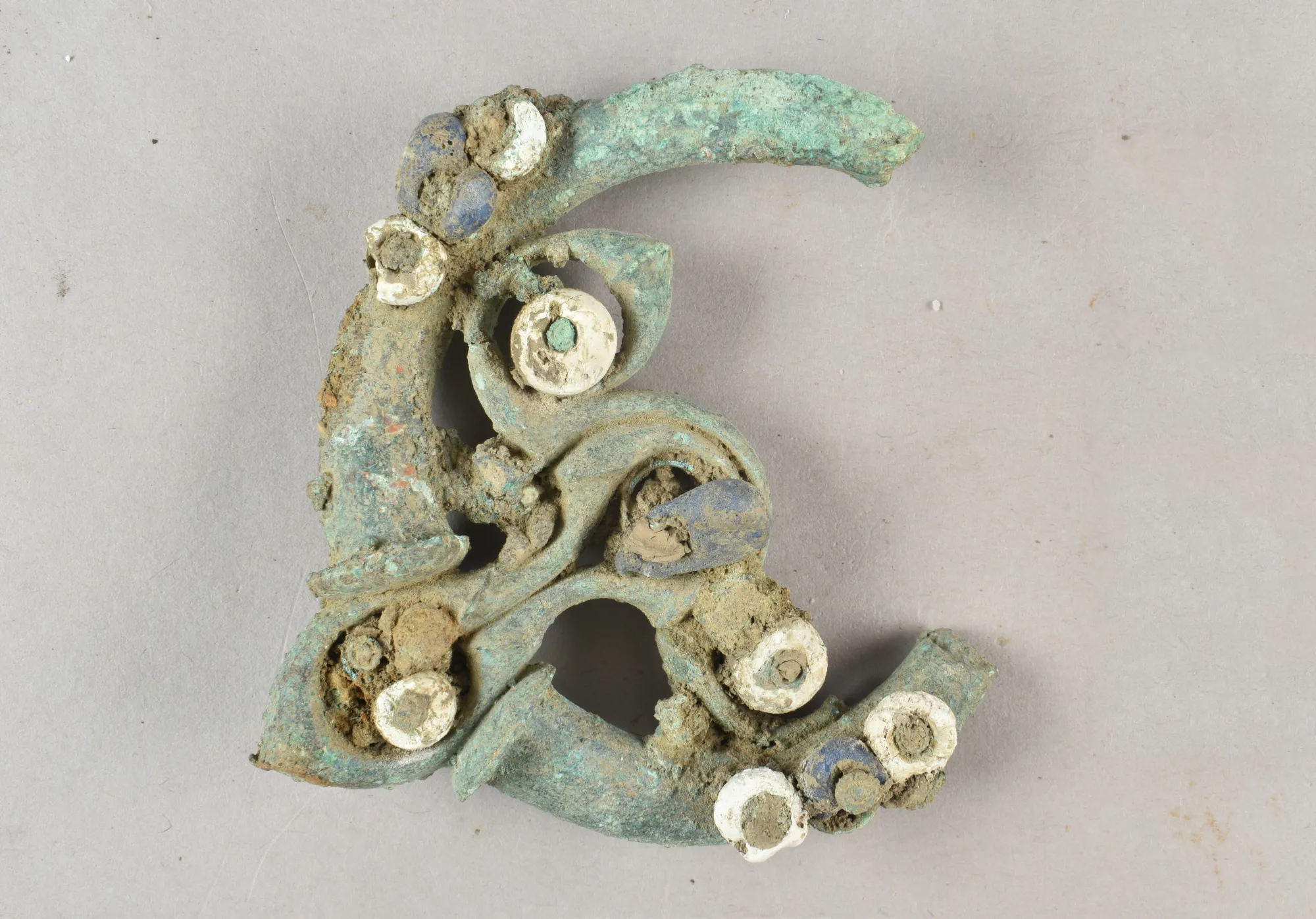
This is not your standard treasure chest story. The hoard includes parts of wagons and chariots, fancy horse harnesses for at least 14 ponies, ceremonial spears, beads, and ornate metal vessels, including what experts think may have been a wine-mixing bowl. Some pieces were decorated with Mediterranean coral and colored glass. In other words, whoever owned this stuff was not exactly living a quiet cottagecore life.
So what is the Melsonby Hoard?
The hoard was discovered near the village of Melsonby in North Yorkshire and has already been described by archaeologists as the largest collection of Iron Age metalwork ever found in Britain. Now, for the first time, a big chunk of it is on show in an exhibition called Chariots, Treasure and Power: Secrets of the Melsonby Hoard.
The exhibition opened just days ago, which means visitors can now stare directly at one of the strangest status symbols ever assembled. Around 30 percent of the hoard is on display, including a monster lump known as "The Block", a 150-kilogram fused mass of objects that still has researchers peering into scans to figure out exactly what is trapped inside.
Honestly, that name undersells it. “The Block” sounds like a grim apartment building. In reality, it is a tangled archaeological time capsule of wagons, weapons, and elite gear all crushed together like history had a traffic jam.
Why wreck all this beautiful stuff?
That is the mystery making the hoard so irresistible.
Archaeologists think these were not random leftovers. These were luxury objects. Expensive ones. Powerful ones. The sort of things that announced status before anyone had blue check marks or sports cars. And yet many of them were intentionally damaged before burial.
The Yorkshire Museum lays out four possible explanations: a feast, a festival, a fight, or a funeral.
Maybe this was a giant ceremonial destruction event, where elites proved their power by sacrificing valuable possessions. Maybe it was linked to a funeral pyre for someone astonishingly important. Maybe it was ritual theater. Maybe it followed conflict. Right now, nobody can say for sure, which only makes it better. It is basically the Iron Age version of finding a smashed-up parade of Bentleys in a ditch and realizing they were decorated with imported luxury goods.
There is also a queen-sized possibility here
Curators have pointed out that some objects in the hoard, including a mirror and blue glass beads, are often associated with female power in Iron Age Britain. That has opened up a delicious possibility: what if these were the belongings of a queen?
Not just any local ruler, either. The hoard sits close to Stanwick, a major Iron Age power center connected with the Brigantes, the powerful tribal confederation associated with Queen Cartimandua. The objects also show links stretching far beyond Britain, with stylistic and material connections to continental Europe and the Mediterranean.
So this was not some isolated northern outpost. These people were plugged in. They traded. They traveled. They knew what luxury looked like, then apparently decided to torch and bury a mountain of it.
Why this story feels so fresh
Museum stories can sometimes sound like, “Here is a pot, please respect the pot.” This one is different. The Melsonby Hoard feels alive because the questions are still open. The conservation work is ongoing. The scans are still being interpreted. Visitors are getting to see the mystery while it is still a mystery.
That is rare, and kind of thrilling. Usually history arrives at the museum after the ending has been written. This time, the plot is still unfolding in public.
If you want a neat one-line takeaway, here it is: Britain has put a scorched, smashed, elite Iron Age mega-hoard on display, and it may force historians to rethink how power, wealth, and spectacle worked before the Romans took over.
And if you ever worry that humans used to be simpler, let this hoard reassure you. Two thousand years ago, people were already into luxury imports, big public displays, symbolic destruction, and impossible-to-explain drama. Some things never change.
If you want to explore it yourself, the Yorkshire Museum exhibition is open now. Fair warning: you may leave with strong opinions about Iron Age horse gear.