
If you have ever gone under anesthesia, here is a mildly unsettling thought: your brain might not have been as "offline" as you think.
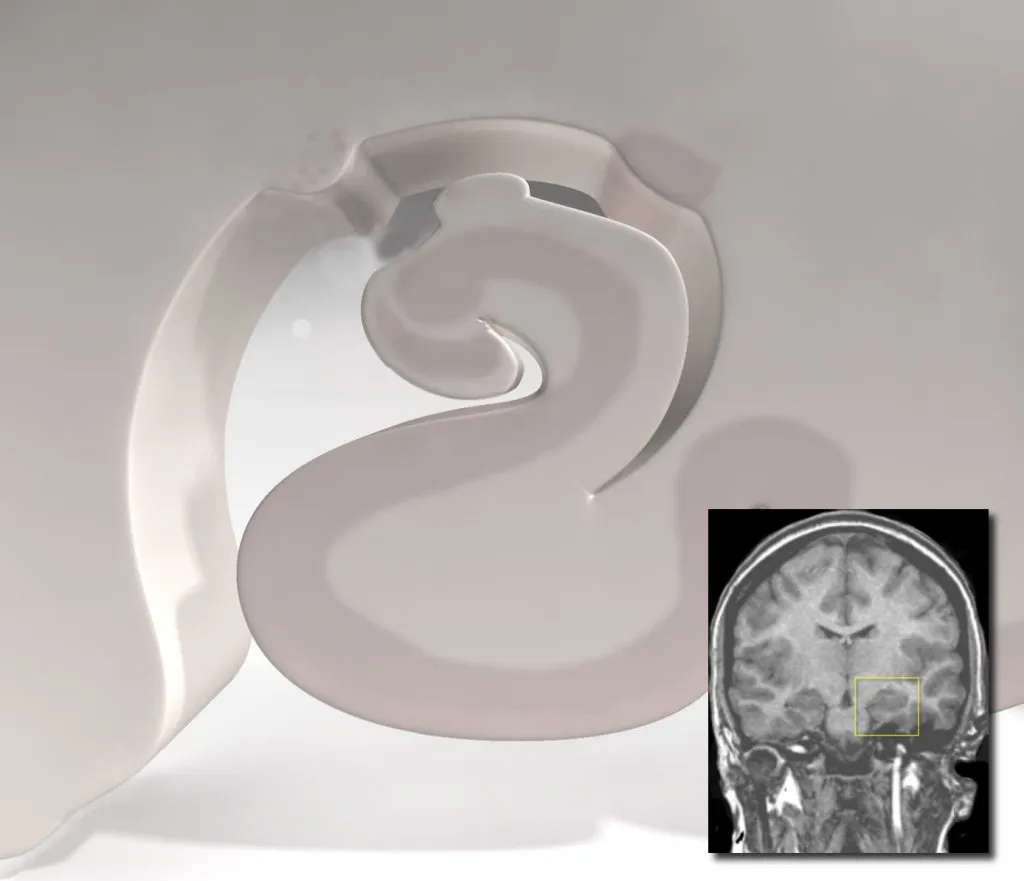
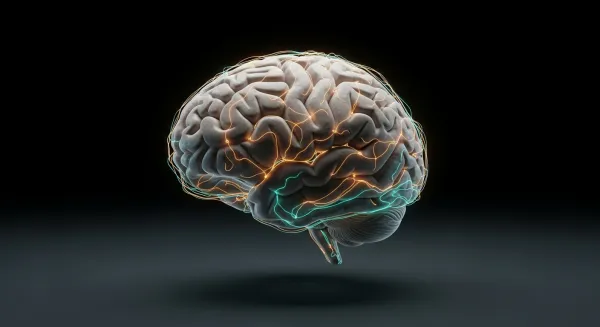
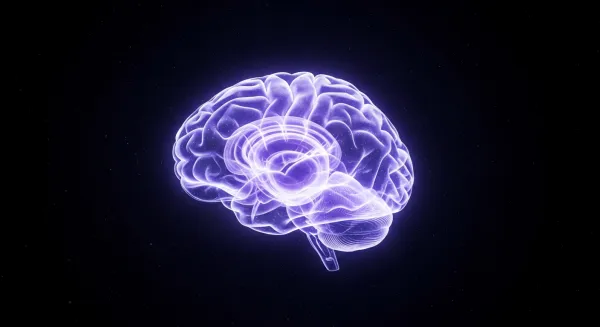
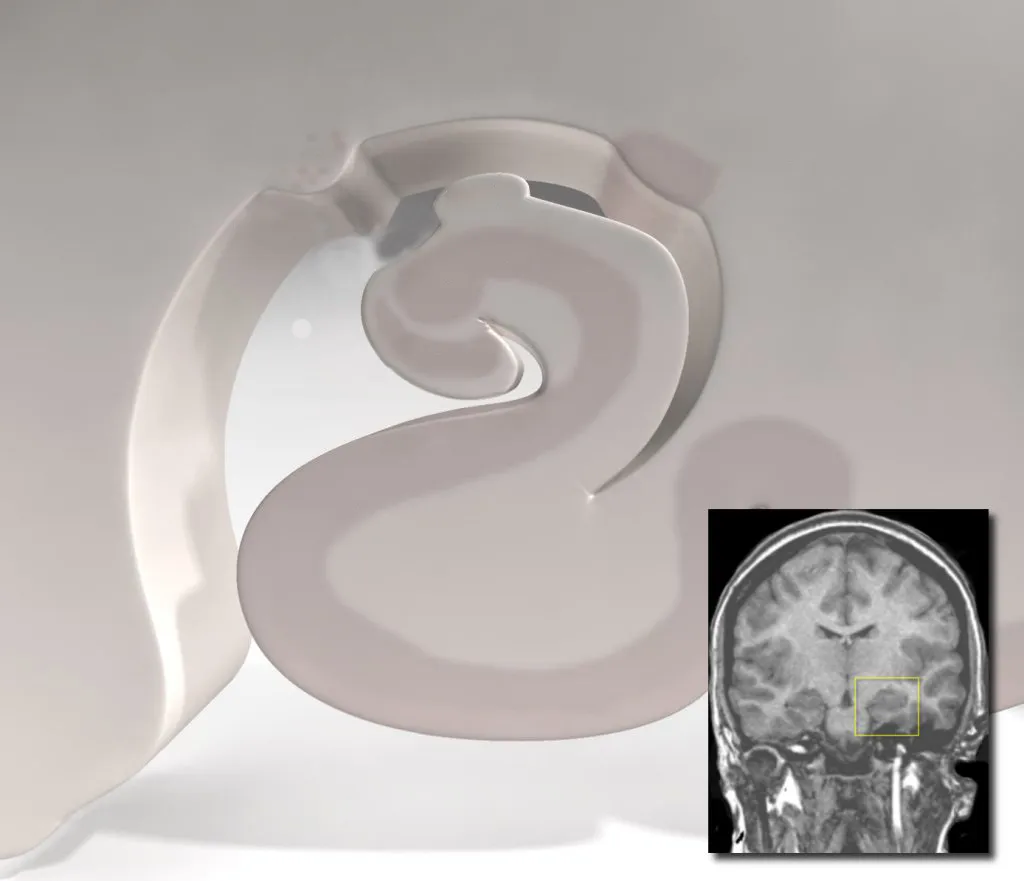
A new Nature study published on May 6 found that the human hippocampus, a deep brain structure tied to memory, can still process sounds, sort language, and even carry signals about what word is likely coming next while a person is fully unconscious under general anesthesia. Which is honestly a wild sentence to type.
The research team at Baylor College of Medicine recorded activity from hundreds of individual neurons in seven patients during epilepsy surgery. These patients were under propofol, totally unresponsive, and very much not enjoying a podcast on purpose. But their hippocampuses were still paying attention.
First, the brain passed the weird beep test
The scientists started simple. They played repetitive tones with occasional oddball beeps mixed in. The unconscious brain did not just hear them. It noticed the weird ones. Even stranger, the brain got better at spotting the oddballs over about ten minutes, which suggests a basic form of learning was still happening while the patients were out cold.
That alone is a pretty great plot twist. General anesthesia is supposed to shut down conscious awareness, not leave part of your brain quietly improving at a mini sound game in the background.
Then they played stories, and things got weirder
Next, the team played podcast stories to four patients. The neurons in the hippocampus responded differently to different words. Some activity patterns tracked meaning. Some separated parts of speech. The paper says the signals even carried information about upcoming words in the sentence.
In other words, the unconscious brain was not just acting like a microphone. It was doing something much closer to real language processing.
That matters because scientists have long argued about whether this kind of high-level pattern recognition requires consciousness. This study basically barges into the room and says, maybe not as much as we thought.
So are sleeping brains secretly reading along?
Not exactly. The study was specifically about patients under propofol during surgery, not normal sleep, and definitely not proof that you can learn French while passed out on the couch. The researchers are careful about that.
Still, the findings are a big deal. The hippocampus is not the brain's front desk receptionist. It is a deep structure associated with memory and context. If that region is still parsing sound patterns and language while consciousness is gone, the line between "aware" and "processing" just got a lot blurrier.
The creepy and cool takeaway
The creepy version of this story is that your brain may still be doing background work while "you" are nowhere to be found.
The cool version is that this could help explain implicit memory after anesthesia, improve our understanding of consciousness, and maybe even open new paths for speech prosthetics. If a damaged or inaccessible brain can still produce useful language-related signals in deep regions, that is a big clue for future brain-computer tools.
Also, it is just a fantastic reminder that the brain is a bizarre overachiever. Even when the lights seem off, someone in there may still be listening for the next word.
Source trail: the paper is Plasticity and language in the anaesthetized human hippocampus in Nature, with a Baylor College of Medicine release on May 8 that translated the results into plain English without making them any less spooky.