
Here is a sentence that will either blow your mind or make you deeply uncomfortable. Scientists have discovered that if you look at a younger version of your own face, your childhood memories get sharper, more vivid, and packed with sensory detail. Not metaphorically. Literally. Your brain sees kid-you in a mirror, accepts it, and suddenly you can recall what the sand felt like at that beach when you were six.
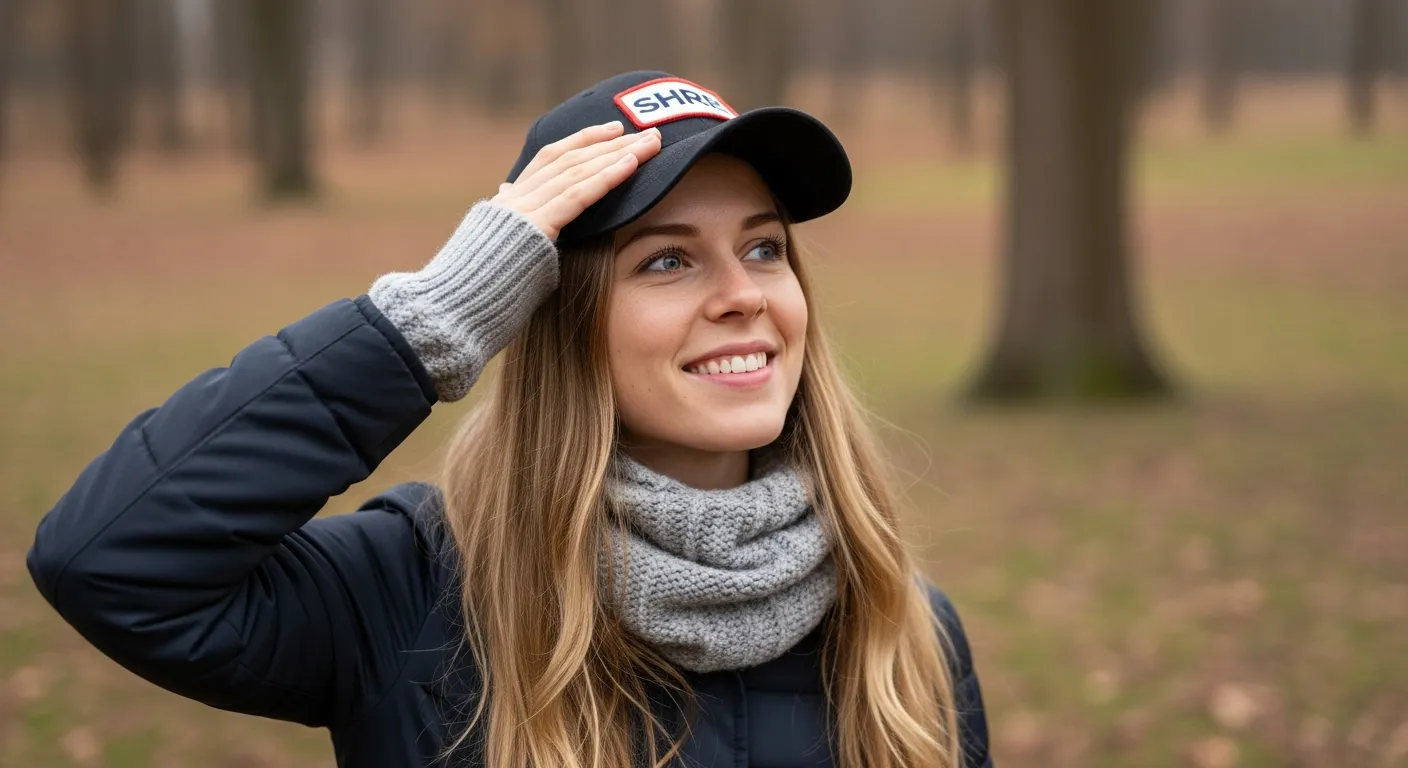
The study, published this month in Scientific American by neuroscientists Jane Aspell and Utkarsh Gupta, used something called an enfacement illusion. Fifty adults sat in front of a screen showing a real-time video of themselves. But here is the trick. Half the participants saw their normal adult face. The other half saw a filtered, childlike version of their own face, moving in perfect sync with their real head movements. Tilt right, kid-face tilts right. Tilt left, kid-face tilts left.
And it worked. Participants who saw their younger face recalled childhood memories that were rated significantly richer and more detailed than those who saw their unfiltered adult face. Not recent memories. Childhood memories. The ones that usually fade like old Polaroids left in the sun.
Why This Actually Makes Sense
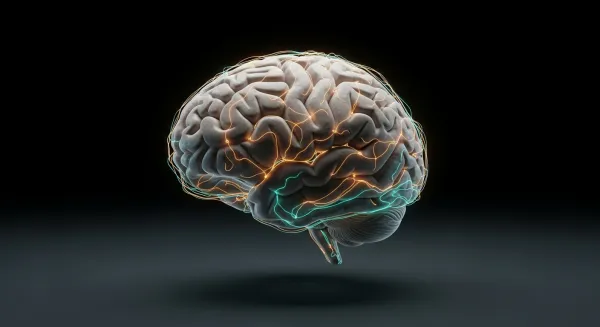
Your brain is not a hard drive. Memories are not files you pull up on demand. They are deeply tangled up with your sense of self, your body, your emotions, and even how old you felt when the memory was formed. Neuroscientists call this the bodily self, a constantly updated mental map of your body that your brain uses to make sense of the world.
For a long time, scientists assumed this body map was pretty rigid. But over the past few decades, researchers have proven it is shockingly easy to manipulate. The famous rubber hand illusion, where you start to feel a fake rubber hand as your own, was just the beginning. Virtual reality experiments have made people feel like they are inhabiting completely different bodies. And now, enfacement illusions make people feel like someone else's face is their own.
This new study pushed that even further. Instead of making you feel like you have someone else's face, it made you feel like you have your own face from decades ago. And apparently, your brain stores memories not just as events, but as events tied to a specific version of your body. Change the body map, and you change your access to the memories encoded during that body's lifetime.
How the Experiment Actually Worked
The researchers had participants move their heads side to side while watching the synchronized display. The childlike filter was convincing enough that participants reported a strong sense of ownership over the younger face. Then they were asked to recall childhood memories in as much detail as possible.
Two independent raters, who had no idea which condition each participant was in, scored the responses on a numeric scale measuring vividness and richness. The results were clear. The younger-face group pulled up memories with significantly more sensory details, specific places, and emotional textures. They were not just remembering more. They were remembering better.
How Young Do You Feel Right Now?
Age: 30
Slide to your 'felt age.' The gap between this and your real age is called your subjective age, and it correlates with everything from memory to mortality.
Crucially, this effect was specific to childhood memories. Recent memories did not get a boost. Which means the illusion is not some general memory enhancer. It is a time machine for your brain. By tricking your brain into feeling like it inhabits the body you had as a child, you unlock the memories that were encoded during that era.
The Bigger Picture
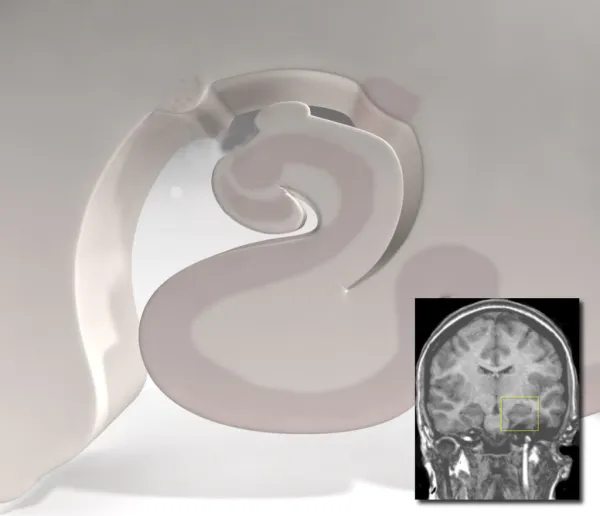
What makes this idea so powerful is what it reveals about the architecture of memory. Memories are not isolated data points floating in your hippocampus. They are anchored to the body you had when they were formed. The physical state of your body, your age, your sense of self, all act as retrieval cues. Change the body perception, and you change what your brain can access.
This has huge implications for people struggling with memory loss. If targeted body illusions can unlock childhood memories in healthy adults, could similar sensory interventions help people with dementia or brain injuries retrieve lost autobiographical memories? The researchers think it is worth exploring.
There is also a stranger, more philosophical angle. If your sense of self is this malleable, what does that mean for identity? The you who remembers being six is not the same you who is reading this sentence. Your body has changed. Your cells have turned over. Your brain has rewired itself thousands of times. And yet, under the right conditions, you can temporarily inhabit the body of that child and unlock the memories they stored.
So here is the takeaway. If you ever feel like your childhood is slipping away, the solution might not be a photo album or a familiar song. It might be looking into a mirror and seeing yourself as you were. Because somewhere in your brain, the kid version of you is still there. You just need the right face to find them.